North Dakota Brain Injury Network and North Dakota State Penitentiary Implement Brain Injury Screening
Apr 15, 2026
 This April, the
North Dakota State Penitentiary (NDSP) will begin
implementing brain injury screening as part of resident
orientation. This effort is part of a partnership between
NDSP and the North
Dakota Brain Injury Network (NDBIN) and stems from
the Justice and Mental Health Collaboration Program
grant, a $550,000, three-year grant from the U.S. Department of
Justice. NDBIN is housed at the Center for Rural
Health, within the University of North Dakota School of
Medicine & Health Sciences.
This April, the
North Dakota State Penitentiary (NDSP) will begin
implementing brain injury screening as part of resident
orientation. This effort is part of a partnership between
NDSP and the North
Dakota Brain Injury Network (NDBIN) and stems from
the Justice and Mental Health Collaboration Program
grant, a $550,000, three-year grant from the U.S. Department of
Justice. NDBIN is housed at the Center for Rural
Health, within the University of North Dakota School of
Medicine & Health Sciences.
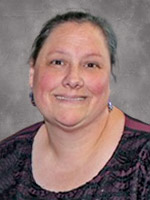
"Our goal with this project is to increase awareness of brain injury within incarcerated populations," said Rebecca Quinn, associate director of CRH and principal investigator of NDBIN. "Brain injury can easily go undiagnosed, so by implementing mandatory screening and education, we hope to help provide brain injury survivors with a better understanding of themselves, their behaviors, and resources to help manage symptoms. With these resources available, our hope is that rates of recidivism will decrease."
Andrea Watkins, a resource facilitator at NDBIN, shares her experiences working within the North Dakota Department of Corrections and Rehabilitation (DOCR).
"We often talk about how brain injuries are not an excuse, but they could be part of the explanation," she said. "That there may be actual physical damage to their brain, influencing their anger, impulsivity, vision, memory, or depression. And when they learn that – that's where change starts happening. We can give them hope with brain injury strategies and tools for their toolbox to use to address substance abuse, PTSD, etc. I tell them, 'In the DOCR, you are doing a lot of self-reflection and learning how to improve your life. And to make sure you include a chapter on brain injury when you rewrite your story.'"
NDSP Screening and Education
As part of this program, the following procedures will be implemented at NDSP:
-
Screening and Assessment
- All residents will be screened for brain injury during their medical intake.
- Residents who screen positive for brain injury will complete a symptom inventory assessment to better understand their needs.
-
Orientation Programming
- During orientation, all residents will participate in a Brain Injury 101
- Residents who screen positive for suspected brain injury will be given the results of their symptom inventory and a self-paced brain injury workbook to support their learning and reflection.
-
Ongoing Support in General Population
- Residents who screen positive will have the opportunity to participate in Living Life Fully, a 10-week treatment group focused on brain injury recovery, including the intersection with criminal justice involvement, mental health, and substance use.
- Residents may also be referred for one-on-one services with an NDBIN resource facilitator for individualized support.
-
Staff Education Opportunities
- Staff will have access to online brain injury modules through their training portal.
- In-person training for case managers will be offered in May.
Becoming Better Neighbors
"I feel that it is fantastic that the DOCR and NDBIN have teamed up to better assess the residents in the DOCR's care and establish more care options while they are with us and when they return to our communities," said Josh Hewson, case manager at the DOCR. "We appreciate the dedication of NDBIN to help get this project started, and look to forward to our combined efforts helping residents learn about the effects that brain injuries have on a person's attitudes and behaviors, and how to assist them in learning prosocial ways to address these within themselves to be better neighbors in the future."

"The North Dakota Brain Injury Network is a leader in sharing knowledge and resources about brain injury and working with survivors around the state," said Dr. Jacob Warren, director of CRH. "This grant is an excellent opportunity to collaborate with organizations and share the work of NDBIN with previously unreached populations."
More information about the first phases of the Justice and Mental Health Collaboration Program is available in the article Paving a Path to Resilience.